
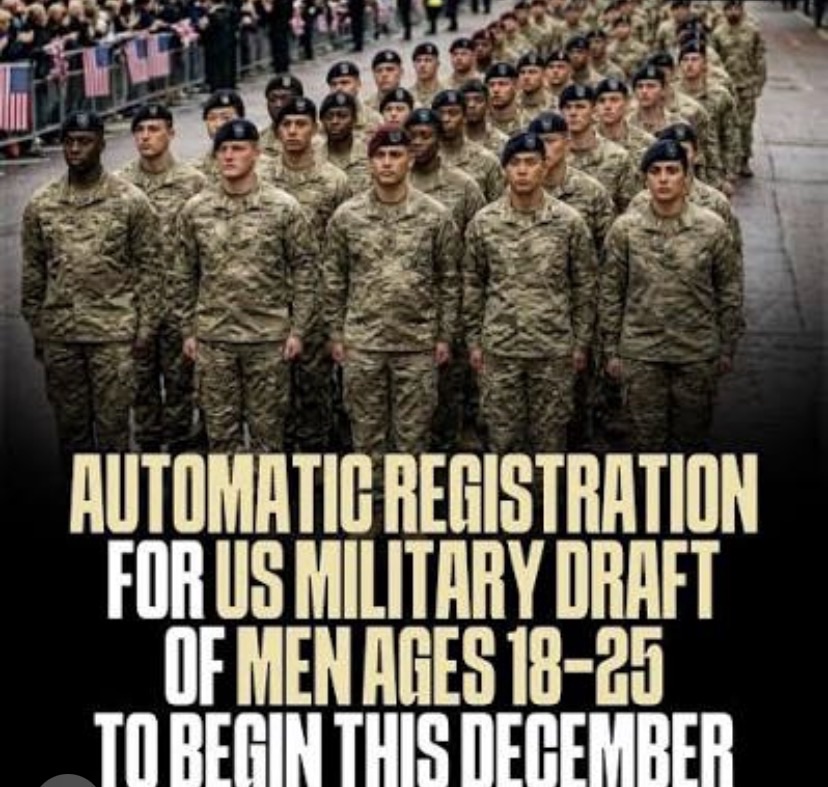
Did you know that failing to register for Selective Service can quietly impact your future in ways most people never think about?
In the United States, nearly all men between the ages of 18 and 25 are required by law to register with the Selective Service System. While the idea of registration is tied to a potential military draft, the real consequences of not registering today are less about being drafted—and more about missed opportunities.
The Legal Requirement
Under federal law, registering for Selective Service is mandatory for most men once they turn 18. Technically, failing to do so is a criminal offense. The law allows for penalties of up to five years in prison and fines up to $250,000.
However, it’s important to understand reality: criminal prosecutions for failing to register are extremely rare. The government almost never pursues jail time in these cases. But that doesn’t mean there are no consequences.
The Real Consequences Most People Face
Where failure to register really shows up is in everyday life—especially when it comes to education, employment, and government benefits.
1. Federal Employment
Men who did not register may be disqualified from working in federal jobs. Many government agencies require proof of registration as part of the hiring process.
2. Student Financial Aid
Access to federal student aid—including grants, loans, and work-study programs—can be denied if you failed to register.
3. Job Training Programs
Eligibility for federally funded job training programs may also be affected, limiting career advancement opportunities.
4. U.S. Citizenship (for Immigrants)
For immigrants, failure to register can complicate or even harm the naturalization process, especially if it appears the failure was intentional.
What If You Forgot?
If you’re under 26, there’s good news: you can still register late. There is no penalty for late registration, and doing so can restore access to benefits.
If you’re over 26, the situation is more complicated. You can no longer register. Instead, you may need to request a Status Information Letter explaining your failure to register. When applying for jobs or aid, you’ll often need to show that your failure was not “knowing and willful.”
Why This Matters More Than You Think
Selective Service registration is one of those requirements that’s easy to overlook—but the consequences can follow you for years. Not registering won’t usually land you in jail, but it can quietly close doors when you least expect it.
Whether it’s getting help paying for college, landing a government job, or becoming a U.S. citizen, this small step can make a big difference.
Final Thoughts
If you’re between 18 and 25 and haven’t registered, the best move is simple: do it now. It takes only a few minutes, and it can save you from unnecessary complications later in life.
If you’re already over 26, don’t panic—but be prepared to explain your situation when applying for federal opportunities.
Sometimes, it’s not the laws we fear that shape our lives—it’s the ones we overlook.
Sources
Selective Service System. “Who Must Register.” U.S. Government.
Selective Service System. “Benefits and Penalties.” U.S. Government.
U.S. Code, Title 50, Appendix, § 3811 (Selective Service registration requirements and penalties).
 didyouknowbyjoe.org
Leave a comment